When to Switch to Winter Tires (and How to Store the Off-Season Set)
Forget waiting for snow — the 45°F rule tells you when to swap. Plus how to clean, bag, and store your off-season tires so they are still worth mounting next year.
This article contains affiliate links — if you buy through them, we may earn a commission at no extra cost to you.
Every fall the same question lands in the shop: when do I actually put the winter tires on? People wait for snow. That is the mistake. By the time there is snow on the road, you have already spent weeks driving on rubber that quit working properly — and you have gambled a few icy mornings you did not need to. The trigger is not the first snowfall. It is the temperature.
This guide covers when to make the swap, how the timing shifts by region, and — the part most people botch — how to store the off-season set so it is still worth mounting next year.
The 45-Degree Rule
No spam. Unsubscribe anytime.
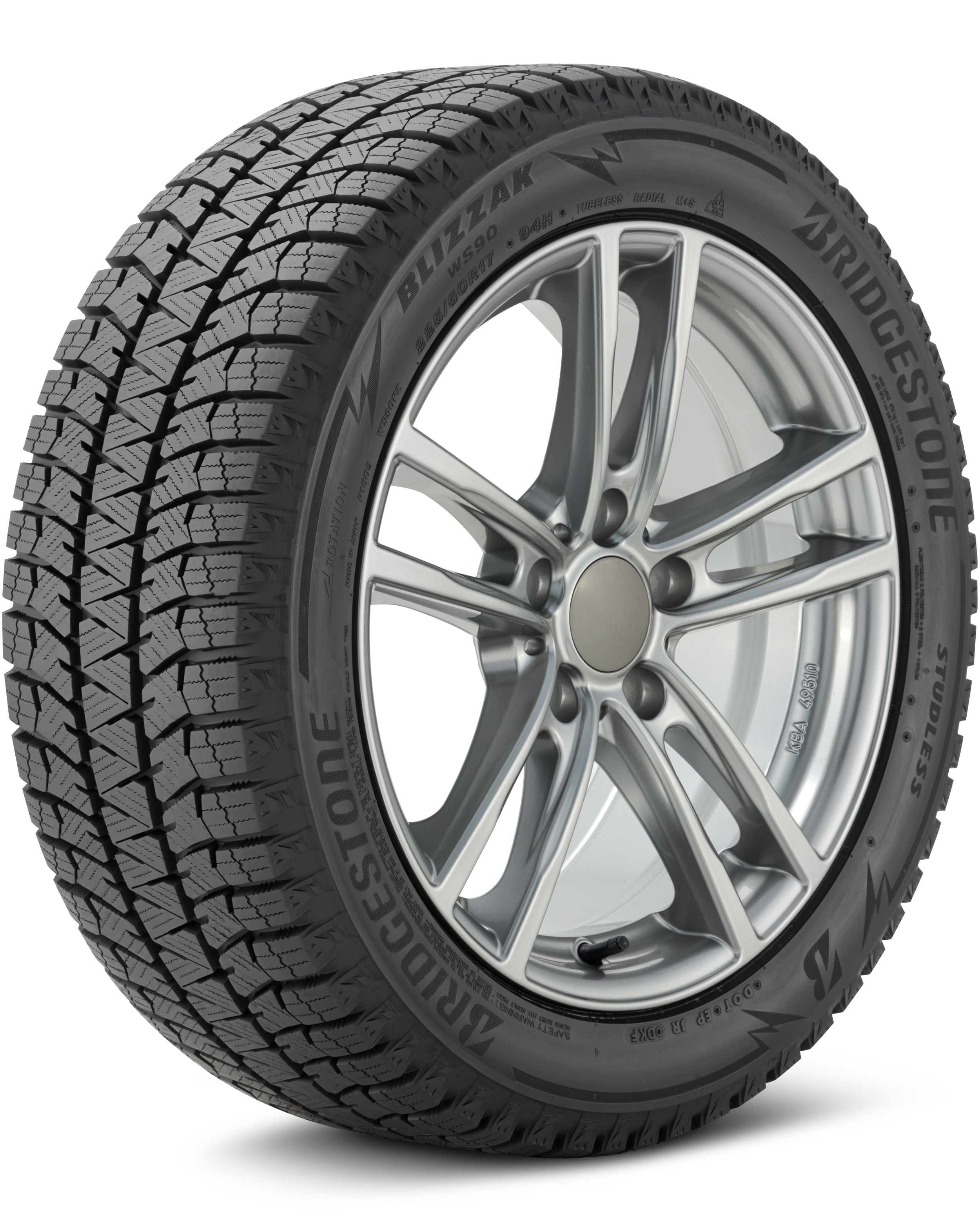
The simplest rule in winter driving: when your average daily high sits consistently around 45°F or below, it is time for winter tires. That is the point where all-season rubber stiffens and starts giving up grip, and where a dedicated winter compound like the one in a Bridgestone Blizzak WS90 starts to pull ahead — on cold dry and wet pavement, not just on snow.
Run the same rule in reverse come spring. Once daily highs settle back above 45°F for good, swap the winter tires off. Leaving that soft winter compound on into the warm months wears it out fast and dulls your handling and braking on hot pavement. The rule protects you in both directions.
Regional Timing
The 45°F rule is the real answer, but here is roughly how it plays out across the country. In the northern tier and the mountains — the Upper Midwest, the Northeast, the Rockies — you are usually looking at late October into early November for the swap on, and April before it is safe to come off. In the transition zones — the Mid-Atlantic, the Ohio Valley, the Pacific Northwest lowlands — mid-to-late November is common, with the swap back in March.
Farther south, many drivers never need dedicated winter tires at all, though anyone regularly crossing a mountain pass is an exception no matter what the valley weather says. The point is to watch your own local thermometer and your own commute rather than the calendar. A cold snap does not care what the date is.
Cleaning and Prepping the Off-Season Set
Before a set goes into storage, give each tire a real cleaning. Wash off the road grime, salt brine, and brake dust with plain soap and water, then let them dry completely — trapped moisture is what invites trouble over a long storage stretch. Skip the tire-shine dressings and protectants; the solvents in some of them can actually work against the rubber over months of storage. Clean and bare is what you want.
While you have them off, this is the ideal moment to look them over. Check the tread depth, run your hand around each tire for uneven wear or cupping, and look for cracks, bulges, or embedded nails. Finding a problem now — in your garage, with months to plan — beats discovering it in a parking lot on the morning of the first freeze.
One more two-minute job while the set is off the car: mark each tire with its position before you store it. A grease pencil or a bit of chalk on the sidewall — LF for left front, RF for right front, and so on — lets you rotate them correctly when they go back on, which evens out the wear and stretches the life of the set. It is the kind of small habit that quietly saves you money over the years.
Bag, Stack, or Stand: Storing Tires Right
Two things age a tire in storage: sunlight and ozone. UV light breaks rubber down, and ozone — the kind put out by running electric motors, furnaces, and battery chargers — causes dry-rot cracking. So the golden rule is to store tires somewhere cool, dry, and dark, away from windows and away from any equipment that hums or sparks.
Seal each clean, dry tire in an airtight bag — a dedicated tire tote or even a heavy contractor bag works — to slow the oxidation that dries rubber out. Then position them correctly, and this part depends on whether they are mounted on wheels. Tires already mounted on wheels should be stacked flat in a short stack, or hung on a wall hook; standing a mounted set upright for months can let it settle out of round. Bare tires with no wheels are the opposite: stand them upright and give them a quarter-turn now and then, because stacking unmounted tires can flat-spot and distort the sidewalls.
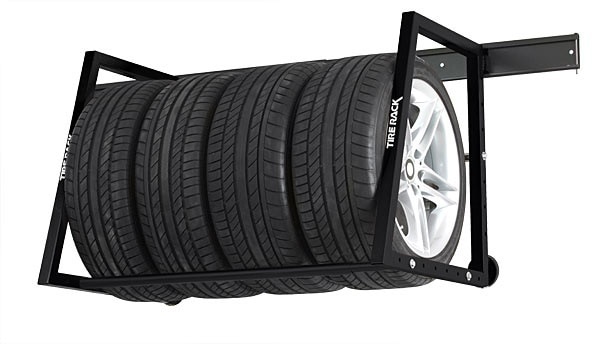
If your winter set lives on its own wheels, a rolling tire storage rack is the upgrade that pays for itself in sanity. It holds the full set up off the floor, keeps them stacked correctly, and rolls the whole stack into a corner of the garage or basement — no more four grimy tires leaning against the wall waiting to topple over. It also makes the twice-a-year swap far less of a back-breaker when you are the one wrestling them around. One more swap-day habit: the wheel-lock key that comes off with the lug nuts is the easiest thing to lose between seasons, and a small bolted-down garage safe is a better home for it than a cup holder.
Doing the Swap: DIY or Shop?
If your winter tires are mounted on their own wheels, swapping them yourself is realistic — it is a bolt-off, bolt-on job with a jack, a set of stands, and a torque wrench. The one rule to respect is torque: look up your vehicle's lug-nut spec and tighten to it in a star pattern, because over-tightening with an impact gun warps rotors and under-tightening is genuinely dangerous. Re-check the torque after 50 to 100 miles of driving, when the clamping load has settled.
If your winter rubber is not on its own wheels, the swap means dismounting and remounting tires on the same rims, which needs a tire machine and a fresh balance every single time. That is a shop job twice a year, and it is the single best argument for buying a dedicated set of winter wheels — it turns a pair of shop appointments into a driveway chore you can knock out in an afternoon.
If the twice-a-year shop visit is the route you land on, it helps to have a standing spot instead of dialing around every November. Mavis' nationwide network of tire and service centers treats seasonal mount-and-balance work as routine counter business, and booking an appointment ahead of the first cold snap beats gambling on a walk-in bay the same week everyone else in town wants one.
The Second-Set TPMS Wrinkle
If you run winter tires on their own dedicated wheels — and it is absolutely the convenient way to do it — there is one detail to plan for. Every modern vehicle has a tire-pressure monitoring system, and those sensors live inside the wheel. A second set of wheels needs its own set of sensors, and in many vehicles those sensors have to be programmed or relearned to the car each time you swap sets, or the dash light will nag you all winter.
None of this is a dealbreaker; it is just something to sort out up front. Have the shop install and register sensors on your winter wheels when you first build the set, and confirm your vehicle's relearn procedure. Some cars relearn automatically after a few miles; others need a quick tool at the counter. Ask once, and you will never think about it again.
If You Would Rather Skip the Swap
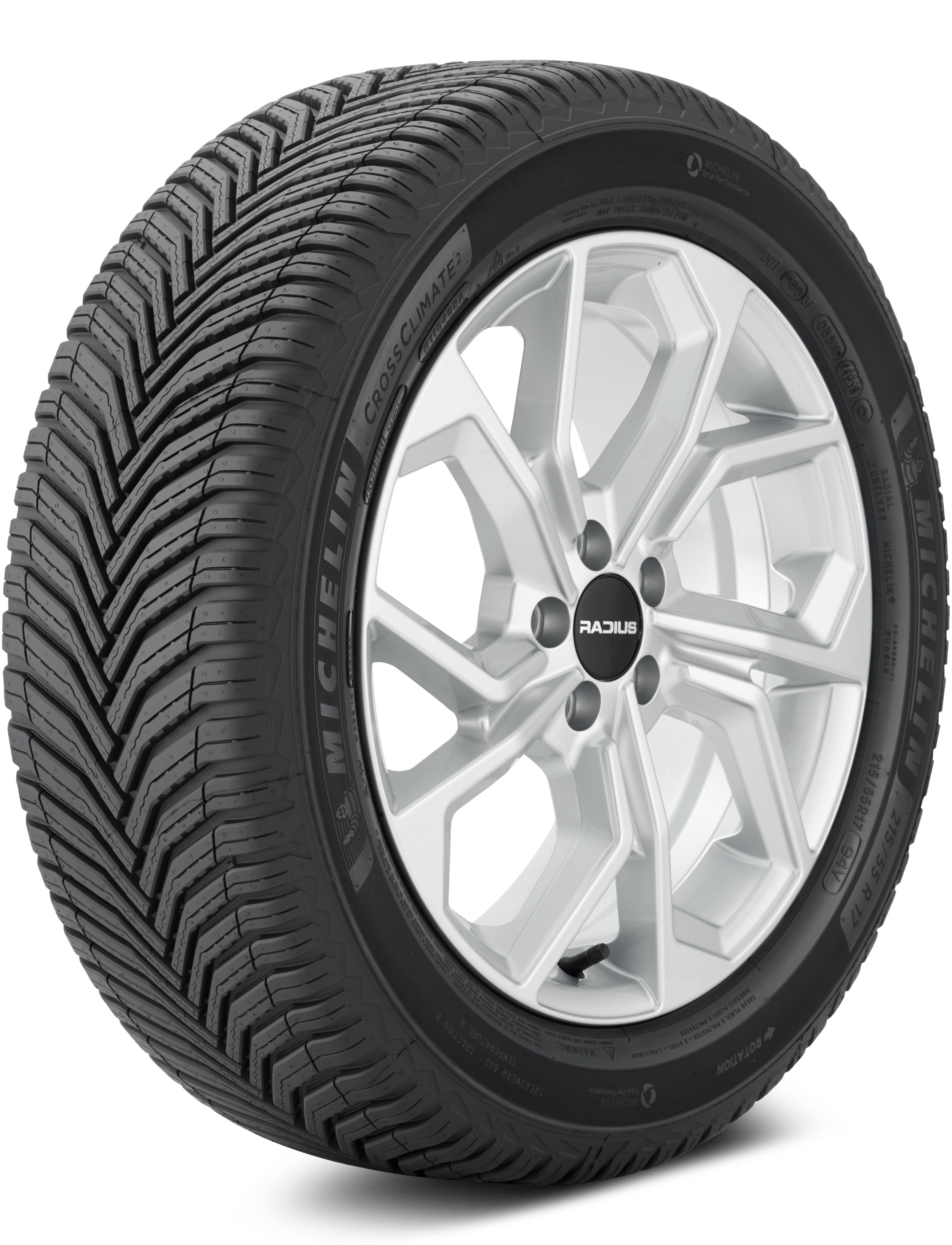
For drivers in milder winter climates, there is a legitimate way to sidestep this whole storage routine: a severe-snow-rated all-weather tire like the Michelin CrossClimate2. It carries the three-peak mountain snowflake rating, so it keeps working in the cold, but it is built to run all year — which means no second set, no seasonal swap, and no tires to store.
It is a real trade-off, not a free lunch. A dedicated winter tire will still beat it on deep snow and ice, so if your winters are genuinely harsh, run the two-set system and store the off-season pair properly. But if you see more cold rain than blizzards, going all-weather is a perfectly sound way to make the storage question disappear entirely.
Affiliate Disclosure