Best Winter Tires for 2026, by Vehicle Type
Winter tires are about temperature, not just snow. Here are the best picks for 2026 by what you actually drive — sedan, high-mileage commuter, SUV or truck, or one set for the whole year.
This article contains affiliate links — if you buy through them, we may earn a commission at no extra cost to you.
Here is the thing most drivers get wrong about winter tires: they are not really about snow. They are about temperature. Once the air drops below about 45°F, the rubber in an all-season tire starts to stiffen and lose grip — on dry pavement, on wet pavement, and especially on ice — long before the first flake falls. A dedicated winter tire is built from a softer compound that stays flexible in the cold, so it can actually conform to the road instead of skating across it.
That single fact changes how you should shop. You are not buying a snow tire for the two or three blizzards a year. You are buying cold-weather grip for the four or five months of dark morning starts, black ice on the overpass, and slushy on-ramps that make up a real winter. Your tires are what connect every one of your safety systems to the road — anti-lock brakes, stability control, all-wheel drive — and none of that technology can do its job through rubber that has gone hard and slick.
Below we break down the best winter tires for 2026 by the kind of vehicle you actually drive, along with the technology that separates a genuine winter tire from an all-season with clever marketing. Pick the one that matches your car and your climate, and buy a full set of four.
No spam. Unsubscribe anytime.
Why Winter Tires Win Below 45°F
All-season and summer tires use a harder rubber compound tuned for warm-weather wear and fuel economy. In the cold, that compound behaves a bit like a hockey puck — firm and slick. Winter compounds load up on natural rubber and silica so they stay pliable when the thermometer drops, which is why a proper winter tire out-grips an all-season on cold, dry pavement even when there is not a snowflake in sight.
Then there is the ice technology, and this is where studless winter tires have quietly gotten remarkable. Modern winter tires use what engineers call a multi-cell compound: microscopic pores and particles that bite into ice and, just as important, wick away the razor-thin film of water that makes ice so slippery in the first place. Pair that with aggressive siping — the hundreds of tiny slits cut across each tread block — and you get thousands of extra biting edges gripping the surface. This is the studless ice technology that lets a modern winter tire stop dramatically shorter on ice than anything wearing an all-season tread.
One label to trust while you shop: the three-peak mountain snowflake symbol molded into the sidewall. It means the tire passed a real severe-snow traction test. Plain M+S (mud and snow) branding does not — that is a much softer marketing standard that most all-seasons already carry. Every dedicated winter tire in this guide wears the snowflake.
And to answer the question that always comes up: studded or studless? For the vast majority of drivers, studless is the right call. Modern studless compounds grip ice so well that metal studs — which are noisy, chew up dry pavement, and are restricted or outright banned in a number of states — only make sense in specific rural, glare-ice conditions. Everything recommended here is studless, and that is the sensible default.
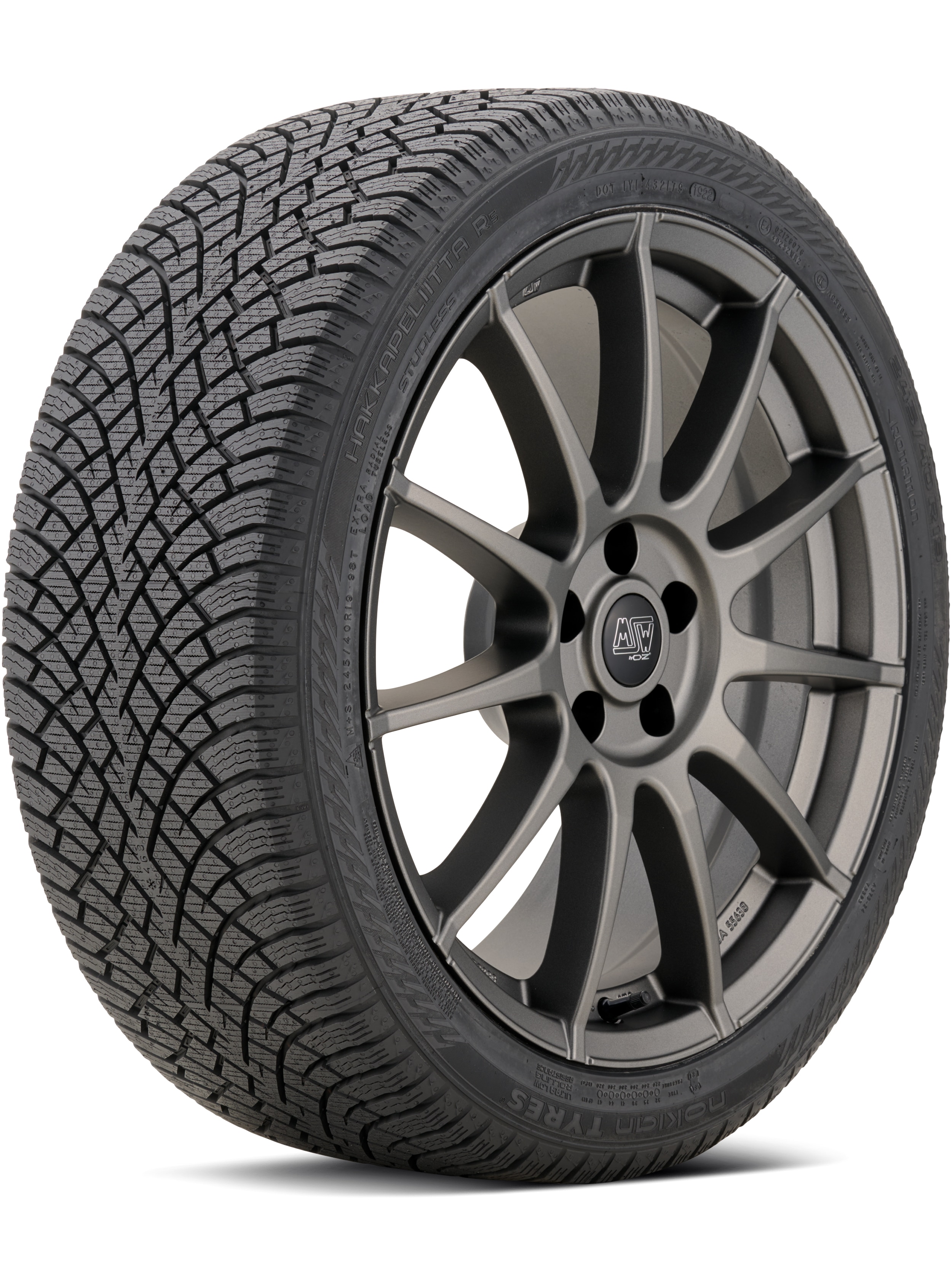
If your winters are the truly brutal kind — lake-effect ice, a snowpack that never fully melts between storms — one more studless name belongs on the list: the Nokian Hakkapeliitta R5. Nokian is the Finnish company that invented the winter tire, and the Hakkapeliitta line has spent decades as the benchmark other studless ice tires get measured against. It is less familiar at American tire counters than the picks below, which says more about marketing budgets than about the rubber.
The Sedan and Minivan Pick
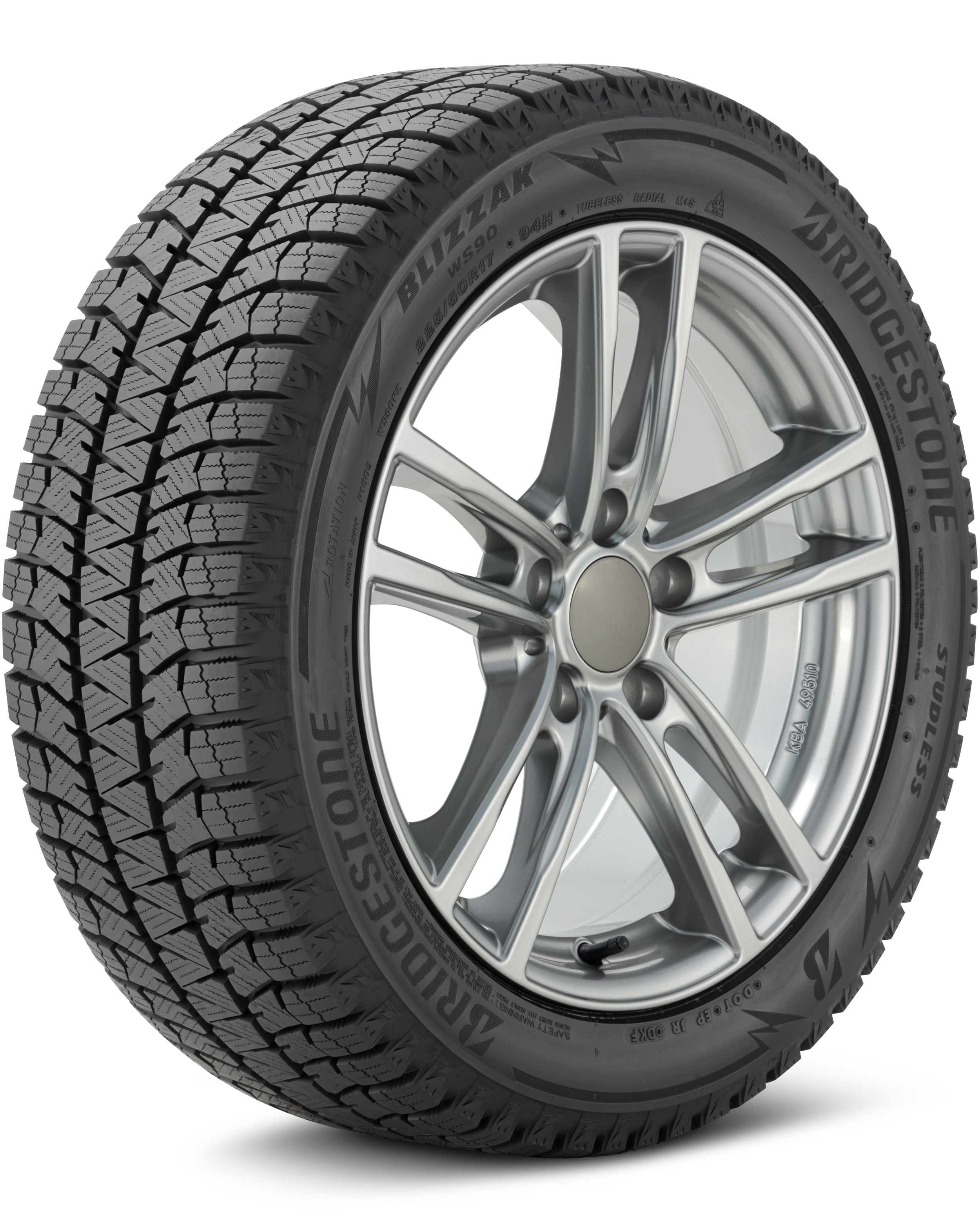
For the everyday car — a Camry, an Accord, a Sienna, a Pacifica — the tire to beat is the Bridgestone Blizzak WS90. Blizzak is about as close to a household name as winter tires get, and the WS90 is the reason why. It uses Bridgestone's multi-cell compound to pull water off the ice and dig in, delivering the short, confident stops that make a nervous winter commute feel routine.
What makes the WS90 the default recommendation for sedans and minivans is balance. It is genuinely excellent on ice and packed snow, but it also stays composed on the cold, wet, and dry pavement you actually spend most of your winter driving on. If you want the least drama between November and March and you drive a normal passenger car, this is the safe answer.
The High-Mileage Commuter Pick
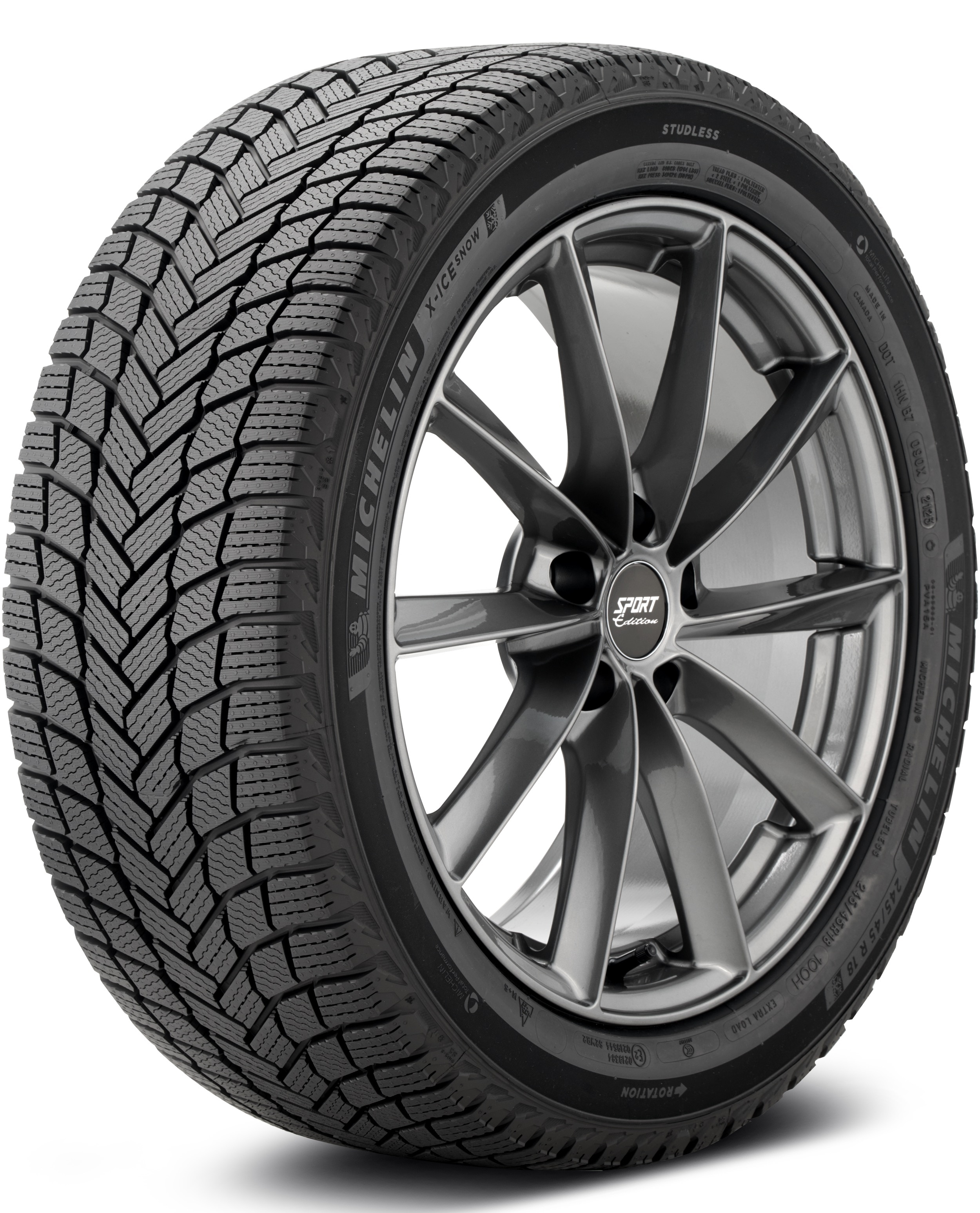
Winter tires have one traditional weakness: that soft, grippy compound tends to wear quickly, so the more miles you pile on, the more it costs you. That is exactly the problem the Michelin X-Ice Snow was built to solve. It delivers the ice and snow traction you expect from a modern winter tire, but it is engineered to last — and it is one of the very few winter tires sold with a treadwear mileage warranty at all.
If you drive a long commute, rack up highway miles, or simply like to keep a winter set for many seasons, the X-Ice Snow is the smart-money pick. You get the cold-weather grip without watching your investment disappear by February. For high-mileage drivers, longevity is not a luxury feature — it is the whole ballgame, and this is the tire that takes it seriously.
The SUV and Truck Pick
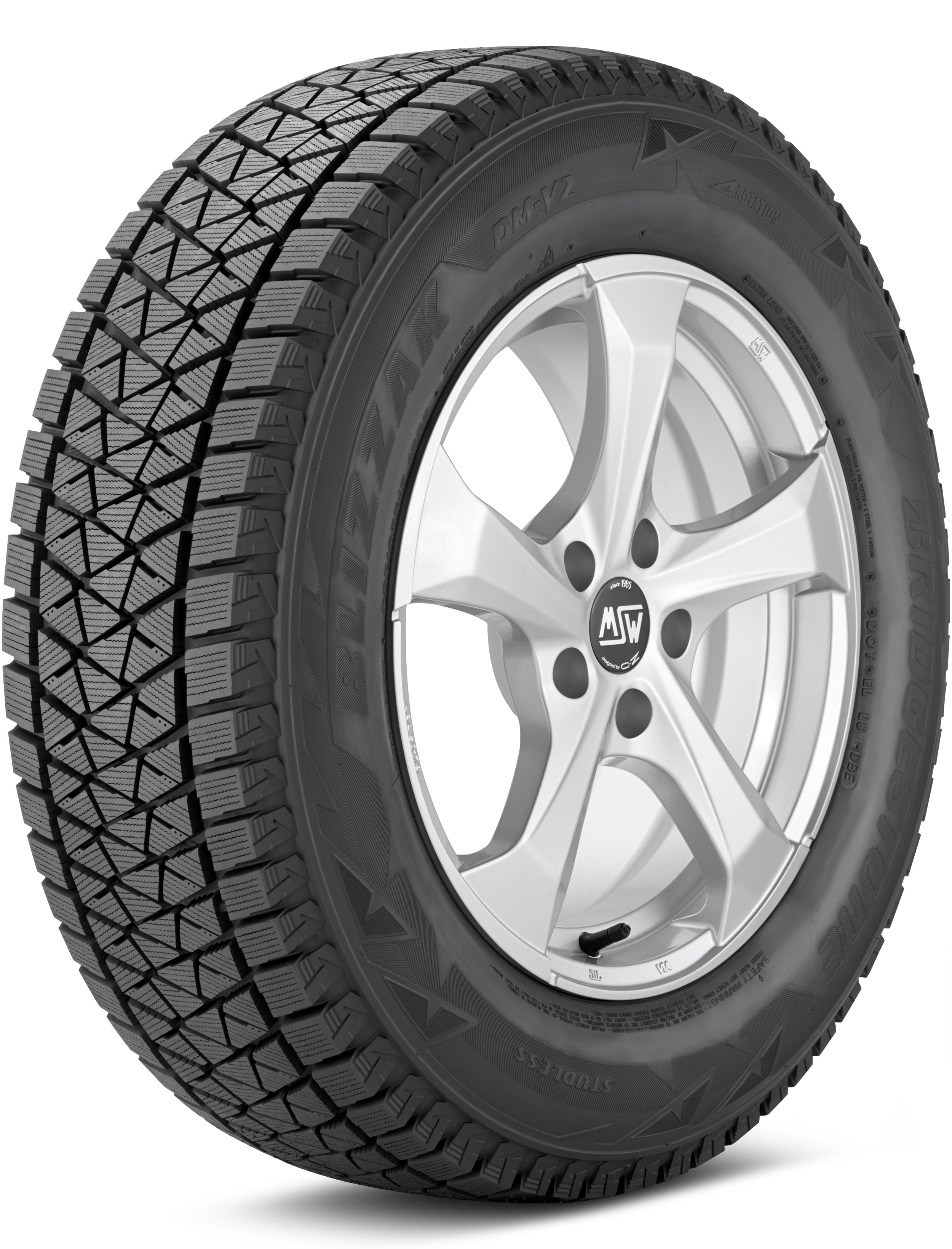
Heavier vehicles need winter rubber sized and built for the load, and here the Bridgestone Blizzak DM-V2 is the go-to. It brings the same Blizzak ice-and-snow philosophy to the SUV, crossover, and light-truck world, with a tread pattern tuned to put a bigger, heavier vehicle's weight to work for traction instead of against it.
This is worth saying plainly: four-wheel drive helps you get moving, but it does nothing to help you stop or steer on ice. A lifted truck on worn all-seasons is one of the most overconfident things on a winter road. Wrap that same truck in DM-V2s and you finally have the grip to match the drivetrain. For anyone who has to climb an unplowed driveway or a snowy grade, this is the difference between parking it and driving it.
If You Do Not Want to Run Two Sets
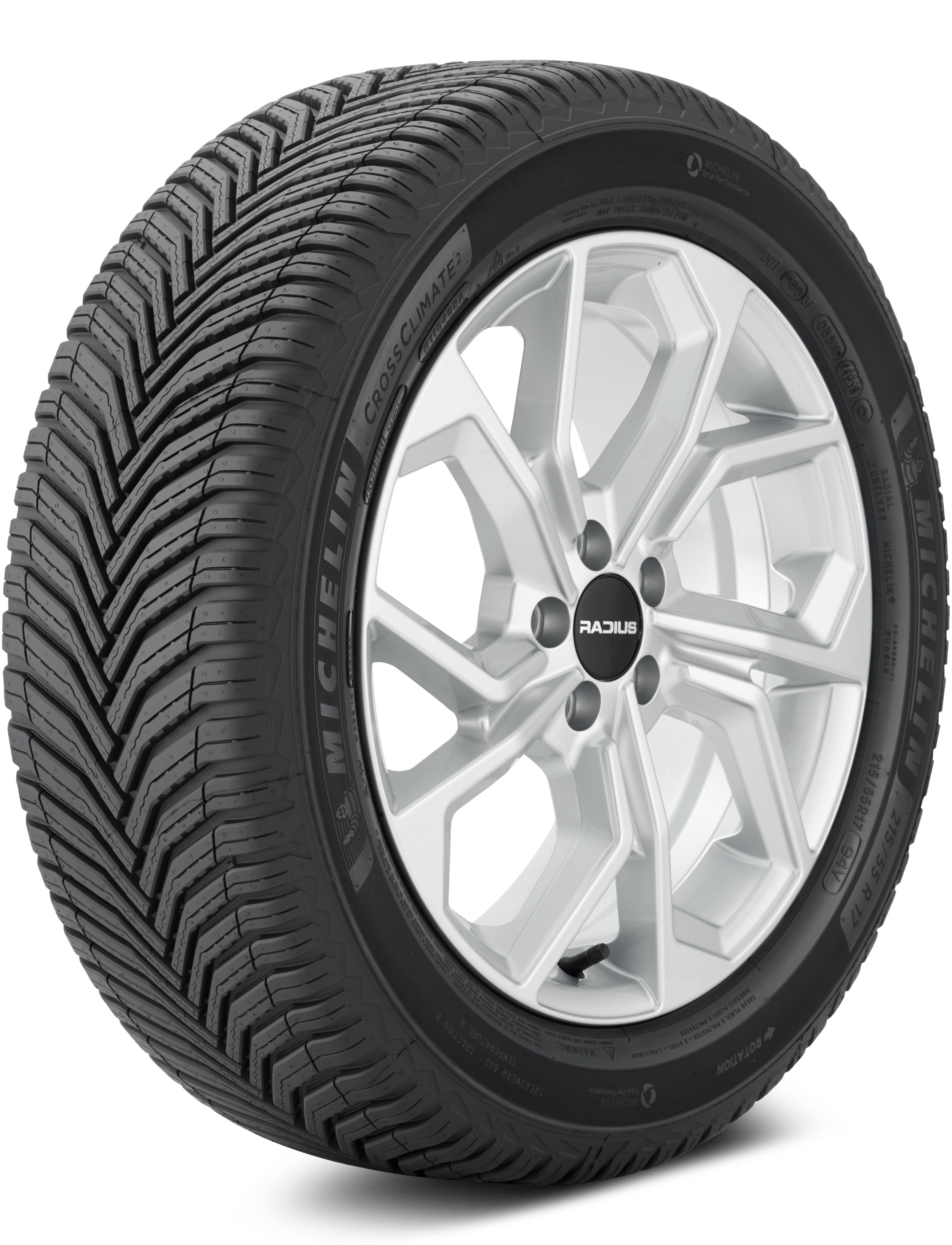
Not everyone wants the hassle of a second set of tires and the twice-a-year swap. If you live where winter means cold rain, the occasional snow, and only a handful of truly icy mornings, an all-weather tire can be the right call — and the standout is the Michelin CrossClimate2.
Here is the key distinction. A normal all-season tire is a three-season tire in disguise; it hardens in the cold like any other. The CrossClimate2 is different: it carries the three-peak mountain snowflake severe-snow rating, so it keeps real traction when the temperature drops, yet it is designed to run all year without a seasonal swap. It will not out-grip a dedicated Blizzak on deep snow or glare ice — nothing that also runs in July can — but for milder winter climates it is a genuinely capable one-and-done answer.
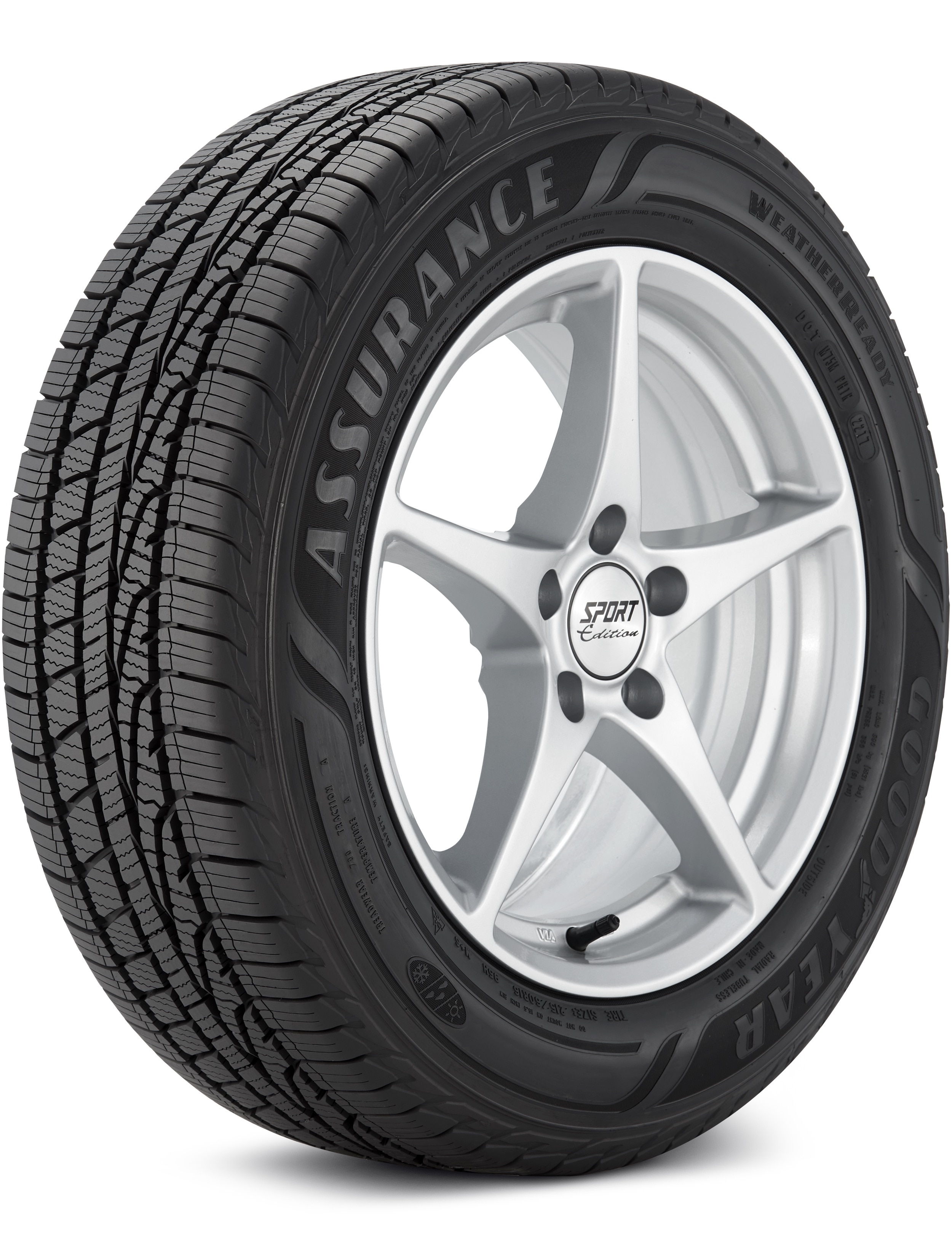
The Goodyear Assurance WeatherReady belongs in the same conversation. It is another all-weather tire that carries the three-peak mountain snowflake — a real severe-snow rating, not the M+S stamp — wrapped in a quiet, comfort-first touring design for the crossovers and family haulers that stay on the road all year. If the CrossClimate2 is not offered in your size, this is the natural one to cross-shop.
How to Choose in 60 Seconds
If you drive a car or minivan and want the most winter safety for the money, get the WS90. If you drive a lot of miles and want that grip to last, get the X-Ice Snow. If you drive an SUV or truck, get the DM-V2. And if you would rather never touch a second set and you live somewhere the winters are real but not brutal, the CrossClimate2 lets you skip the swap without giving up cold-weather traction.
Whatever you choose, buy them as a full set of four and mount them before the first hard freeze — not after. Winter tires cannot save you from a storm they are still sitting in a warehouse during. Get ahead of the cold, and the whole season gets easier. If you would rather book the mounting and balancing now than hunt for a shop in November, Mavis Tires & Brakes takes online appointments at 2,000+ locations.
Affiliate Disclosure