Fix Cloudy Headlights Permanently (Why Toothpaste Fails)
Cloudy headlights come back fast after a toothpaste polish because nothing seals the plastic. Here's why UV sealant is the fix that actually holds up.
Disclosure: This article contains affiliate links. If you buy through them we may earn a commission at no extra cost to you.
Toothpaste on cloudy headlights is one of the most repeated car-care myths on the internet, and it works just well enough to keep the myth alive. A quick toothpaste scrub does remove a thin layer of the hazy, oxidized plastic on the surface, which is why headlights genuinely look clearer right after doing it. The problem is what happens next: without any UV protection applied afterward, that freshly exposed plastic starts oxidizing again almost immediately, and most people report the haze creeping back within days to a couple of weeks.
Why headlights turn cloudy in the first place
Modern headlight lenses are made of polycarbonate plastic, not glass, because it's lighter and more impact-resistant. Polycarbonate's weakness is UV exposure — sunlight breaks down the clear factory coating over the plastic over time, and once that coating degrades, the bare polycarbonate underneath oxidizes and yellows. This is a chemical breakdown of the material itself, not just surface dirt, which is exactly why simply wiping, waxing, or toothpaste-scrubbing a cloudy lens gives you, at best, a very temporary cosmetic improvement.
No spam. Unsubscribe anytime.
Why toothpaste (and similar DIY abrasives) fail long-term
Toothpaste, like many mild household abrasives, works as a light polishing compound — it removes a thin layer of oxidized plastic, revealing clearer material underneath. But it does nothing to protect that newly exposed surface from the UV exposure that caused the clouding to begin with. Per most headlight-restoration product literature, any polishing step that isn't followed by a UV-blocking sealant is treating the symptom, not the cause — the oxidation process simply restarts on the freshly polished surface, often faster than before since some of the original factory coating may now be gone entirely.
What an actual, longer-lasting fix requires
A real headlight restoration has two distinct stages, and skipping either one is why so many DIY attempts disappoint:
1. Correction. The oxidized, yellowed layer needs to be sanded or polished away using progressively finer abrasives (typically starting around 1000–2000 grit and working finer), fully removing the damaged material rather than just buffing the top of it. This stage is mechanical — it's the same category of task as paint correction, just applied to plastic instead of clear coat, and it benefits from the same discipline covered in our guide on removing swirl marks by hand: work in controlled sections, don't over-heat the material, and inspect under good light between passes.
2. UV sealant. This is the step that actually determines how long the fix lasts. A UV-resistant clear coat or sealant applied over the corrected plastic blocks the sunlight exposure that causes oxidation, essentially replacing the factory coating that failed. Per most kit instructions, this needs to cure undisturbed (often 24 hours or more, kept dry and out of direct sun) to bond properly — rushing this step is a common reason restorations fail early.
Realistic durability expectations
A correctly sealed headlight restoration, done with real UV sealant rather than skipped, is commonly reported by owners to hold up for a year or more before needing attention again, though this varies with climate, garage-parking habits, and how much direct sun exposure the vehicle gets. A toothpaste-only "fix" with no sealant, by contrast, is realistically a days-to-weeks cosmetic trick, not a repair.
Maintaining clarity between restorations
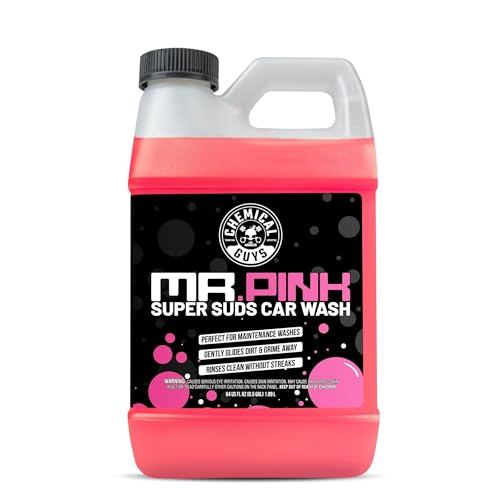
Once headlights are corrected and sealed, keeping the rest of the vehicle's exterior properly maintained helps protect the investment indirectly — a car washed with a pH-balanced soap, such as Chemical Guys Mr. Pink Car Wash Soap, and dried with clean microfiber avoids the kind of harsh, stripping chemical exposure that can also degrade a UV sealant over time. Check price on Amazon → If you're already restocking your wash kit, our guide to the two-bucket wash method covers the full setup, and a proper interior clean — see our best detailing kits roundup — rounds out a full exterior-and-interior refresh in the same weekend.
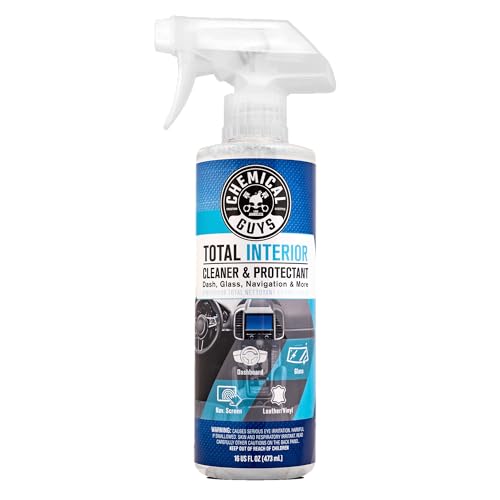
For interior surfaces near the dash and trim that see similar UV exposure to headlights, a protectant like Chemical Guys Total Interior Cleaner & Protectant helps guard against the same kind of sun-driven fading and cracking. Check price on Amazon →
Signs you're dealing with more than surface haze
Not every cloudy headlight responds the same way to correction and sealing. If the lens has deep pitting, cracking, or the yellowing extends well beyond the outer surface into the plastic itself, sanding and sealing may only get you partway back to clear. In those cases, per most restoration product guidance, results are more modest and touch-ups tend to be needed sooner than the year-plus window typical of a lens that only had shallow, coating-level oxidation. It's worth inspecting the lens closely under direct light before starting, since that tells you whether you're dealing with a coating failure (the easier fix) or plastic that's been degrading for years without any protection at all.
Why some kits disappoint even when done "correctly"
A common complaint after a headlight restoration is that results looked great for a few days and then started hazing again faster than expected. Most of the time this traces back to one of two issues: either the UV sealant wasn't given its full cure time before the car was driven and exposed to rain or sun, or the sanding stage didn't fully remove the oxidized layer before the sealant went on top of it. Sealant applied over even a small amount of remaining oxidized plastic won't hold as long, since it's bonding to an already-degrading surface rather than a fully corrected one. Taking the extra time at the correction stage — and resisting the urge to drive the car the same day the sealant goes on — is what separates a fix that lasts a year from one that fails within a month.
The bottom line
Toothpaste isn't fixing your headlights — it's temporarily polishing off a thin layer of oxidized plastic with nothing to stop the process from restarting. A permanent-feeling fix means correcting the plastic down past the damage and then sealing it with a genuine UV-blocking sealant, cured fully before the car goes back out into the sun. Skip the sealant step and you're back to cloudy within weeks; do it properly, with a full correction pass and complete cure time, and most owners report a year or more of clarity before it needs attention again.
Affiliate Disclosure