Best Ceramic Spray Coating for Beginners (Honest Durability Guide)
Ceramic spray coatings are easy to apply but often oversold on durability. Here's what beginners should expect, how to prep paint, and two solid options to start with.
Disclosure: This article contains affiliate links. If you buy through them we may earn a commission at no extra cost to you.
"Ceramic coating" gets used loosely in marketing, and it causes real confusion. A professional-applied ceramic coating, cured and layered by a trained installer, can genuinely last one to several years. A consumer ceramic spray — the kind you buy in a 16-ounce bottle and wipe on in your driveway — is a different product with a different lifespan. Per most manufacturer literature and owners consistently reporting back on forums, spray ceramic coatings typically hold up for a few months of protection under normal washing, not years. That's not a knock on the category — it's simply what the format is designed to do, and knowing that up front will save you from disappointment (and from re-reading the label looking for a durability claim that isn't there).
What a spray ceramic coating actually does
A spray-on ceramic product deposits a thin layer of silica-based (SiO2) protectant onto clean paint. It adds hydrophobic beading, some UV and chemical resistance, and a slicker, glossier surface that makes future washing easier and reduces the amount of grit that sticks to the paint between washes. It is not the same chemistry or durability tier as a two-part, professionally applied coating, and it's not a substitute for paint correction if your paint already has swirl marks or oxidation — see our guide on how to remove swirl marks by hand if that's the real problem you're solving.
No spam. Unsubscribe anytime.
Why prep matters more than the product
The single biggest driver of how a ceramic spray performs isn't which bottle you buy — it's what the paint looks like before you apply it. Ceramic spray bonds to the surface it's given. Apply it over old wax, road film, or embedded contaminants and you're sealing in the grime, not protecting bare paint. That means:
- Wash thoroughly with a dedicated car wash soap, not dish soap, which strips protective layers unevenly. Chemical Guys Extreme Bodywash & Wax is formulated to clean without stripping an existing coating, which also makes it a reasonable choice leading up to a fresh application. Check price on Amazon →
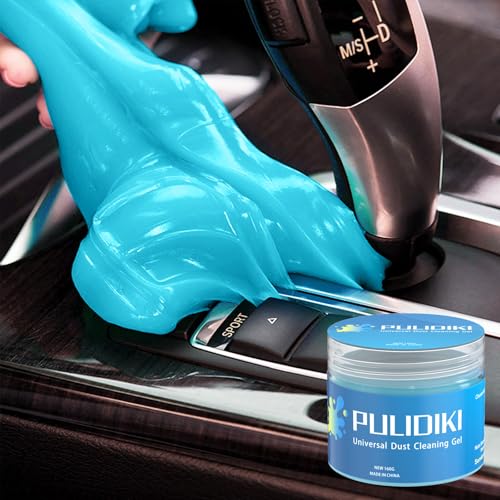
- Clay or use a cleaning gel putty, such as PULIDIKI Car Cleaning Gel, to lift embedded contaminants the soap alone won't remove.
- Dry completely with a clean microfiber towel — any moisture left on the panel will interfere with how evenly the coating bonds and cures.
- Apply in the shade, on a cool panel, following the bottle's specific wipe-on and buff-off timing exactly. Rushing the cure window is the most common reason beginners see streaking or inconsistent beading.
SHINE ARMOR Fortify vs. Turtle Wax Hybrid Solutions
Both of these are widely available, beginner-friendly spray coatings, and both fall into the "months, not years" durability bracket for typical daily-driver washing.
| SHINE ARMOR Fortify Quick Coat | Turtle Wax Hybrid Solutions Ceramic Spray | |
|---|---|---|
| Format | 16 oz waterless ceramic detail spray | Ceramic spray coating |
| Ease of use | Wipe-on, waterless application | Wipe-on after a wash |
| Best for | Quick top-ups between washes, spot protection | Fresh coat after a full wash and dry |
| Typical price | Around $20 at the time of writing | Around $14 at the time of writing |
Check price on Amazon → for SHINE ARMOR Fortify, or Check price on Amazon → for the Turtle Wax option.
SHINE ARMOR's waterless format is convenient as a maintenance spray between full washes — it's designed to be applied without a prior rinse, which makes it useful for spot-treating a dusty panel. Turtle Wax's version is positioned as a more traditional post-wash spray coating and, per the product notes, is intended to be applied to clean, dry paint rather than as a waterless quick-detailer. Neither replaces a professional coating, and neither should be marketed to you (or bought by you) expecting multi-year protection.
Setting realistic maintenance expectations
Because spray ceramics wear down with washing, sun exposure, and general use, plan to reapply every couple of months if you want consistent beading and gloss. Using a pH-balanced wash soap — rather than a stripping degreaser or dish soap — between applications extends the coating's working life, since harsh detergents break down the silica layer faster than plain washing does.
Common mistakes that shorten coating life
A few habits quietly wear a spray ceramic down faster than normal use would:
- Washing with dish soap or a stripping wheel cleaner that splashes onto paint. These are formulated to cut grease and will cut through a silica layer just as effectively.
- Drying with an old, gritty towel. This reintroduces the same swirl-causing problem covered in our hand swirl-removal guide and can scratch through the coating in the process.
- Skipping the cure time. Most spray ceramics specify a short window to buff off haze; wiping too early or too late leaves an uneven, streaky finish that looks worse than bare paint.
- Applying over old wax residue. Wax and ceramic don't bond the same way, and layering a ceramic spray over old carnauba wax typically just sits on top without adhering properly.
Is a spray coating worth it over plain wax?
For most owners without the budget or time for a professional coating, yes — a spray ceramic is a reasonable middle ground. It's faster to apply than traditional paste wax, tends to last longer per application, and leaves a slicker surface that sheds water and light dirt more effectively. It won't match a cured professional coating's multi-year durability or its resistance to chemical etching, but for a driveway-and-garden-hose routine, it's a sensible upgrade from wax alone at a comparable price point.
There's also a middle rung between a driveway spray and a professional install: a true bottled DIY coating like SILAZANE50 Pro Ceramic Coating. It applies panel by panel with an applicator and cures on the paint, which puts it in a different chemistry and durability tier than the wipe-on sprays covered here. The prep bar is higher — wash, clay, and a completely dry surface are non-negotiable — but if you're reading this wishing sprays lasted longer, that's the category to step up to.
The bottom line
For beginners, a spray ceramic coating is a low-effort way to add gloss, easier cleaning, and modest protection — as long as you go in expecting months of performance, not years, and you prep the paint properly before applying it. SHINE ARMOR Fortify suits quick, waterless touch-ups; Turtle Wax Hybrid Solutions suits a fresh coat right after a wash-and-dry. Either is a reasonable starting point, but the paint prep — wash, clay, dry — will do more for your results than which bottle you pick.
Affiliate Disclosure